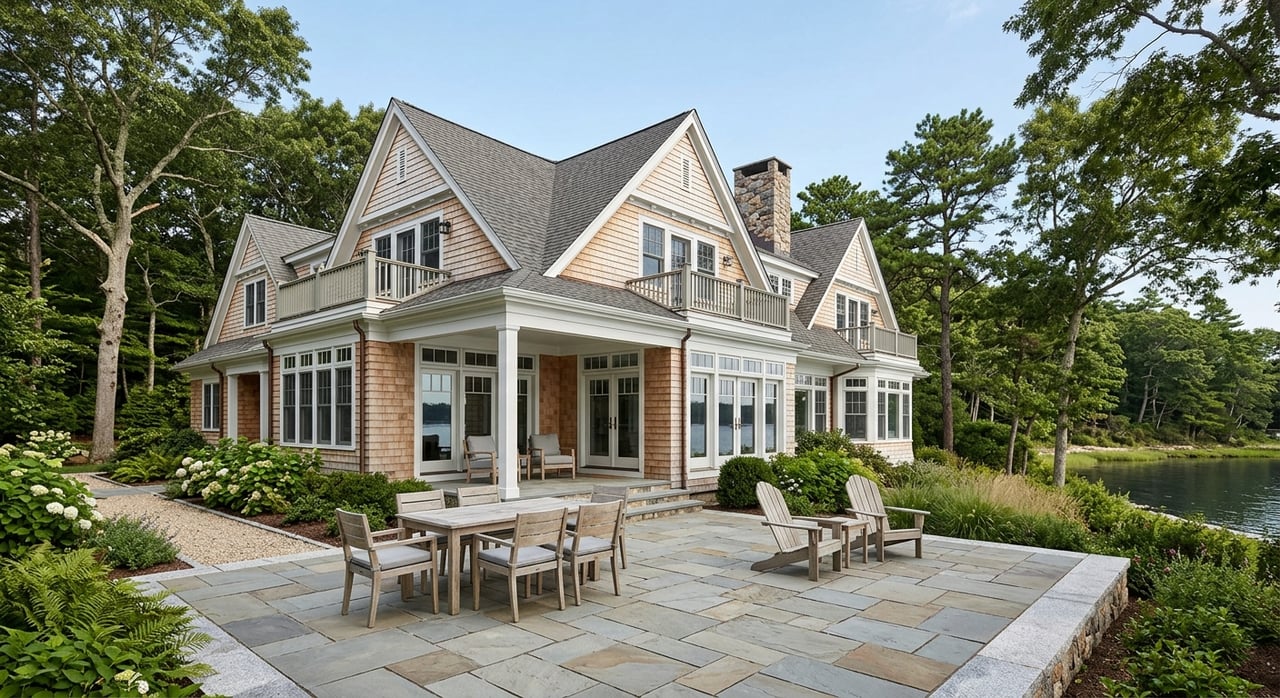
Selling a Meredith waterfront home is not like selling a typical in-town property. On the lakes, buyers look closely at shoreline, dock setup, water access, condition, and documentation, and those details can move value significantly. If you want to protect your price and avoid last-minute stress, the right prep work matters. Here is how to get your Meredith waterfront home ready for a strong, confident sale. Let’s dive in.
Understand the Meredith waterfront market
Before you make any repairs or talk price, it helps to know that Meredith waterfront homes sit in a very different category from the broader town market. Redfin reported Meredith’s median sale price at $585,000 in February 2026, while Zillow placed the average home value at $671,314 as of April 30, 2026. Those numbers are useful as background, but they do not tell the full story for lakefront property.
Waterfront homes in Meredith trade in a separate tier, with current inventory ranging from a $650,000 Waukewan cottage to a $3.2 million Lake Winnipesaukee property. Recent public sales show an even wider spread. A home on Happy Homes Road sold for $2.0 million with 140 feet of private sandy-bottom frontage, Lovejoy Lane sold for $1.675 million with 124 feet of shorefront and two deep-water docks, and Quimby Road sold for $5.502 million with 150 feet of frontage and docking for up to five boats.
That range is the clearest reminder that waterfront value is highly specific. The lake, frontage, shoreline type, seasonal or year-round use, and dock utility all shape buyer demand. If you price from broad Meredith averages, you risk missing the mark.
Price from the right lake and shoreline profile
Meredith includes several distinct waterways, including Lake Winnipesaukee, Lake Winnisquam, Lake Waukewan, Lake Wicwas, and Lake Pemigewasset. That means your home should be evaluated against the correct body of water, not simply against all waterfront homes in town.
A strong pricing strategy starts with a narrow comp set that matches:
- The same lake
- Similar shoreline frontage
- Comparable shoreline type
- Similar dock or boating access
- Similar seasonal or year-round use
This matters because buyers do not view all waterfront equally. A property with sandy frontage and simple seasonal use will compete differently from a year-round home with deep-water docking. In Meredith, those distinctions can place homes in very different price bands.
Gather permits before you list
One of the best ways to reduce stress during due diligence is to assemble your paperwork early. Waterfront buyers tend to ask more detailed questions, especially when a property includes docks, retaining walls, shoreline stairs, boathouses, decks, or septic systems.
Meredith’s building permit resources point to local approval and septic materials, and the zoning ordinance requires a building permit for construction in a flood-prone area, including docks, boathouses, and other shoreline structures. If you have rebuilt a dock, repaired a boathouse, extended a deck, or completed shoreline work, your permit file should be easy to produce.
Start by gathering:
- Building permits and approvals
- Dock records and related notifications or permits
- Septic as-built plans
- Septic pump records
- Septic inspection reports
- Repair permits for septic or structural work
- Survey documents, if available
Having these materials ready helps buyers feel confident and keeps your sale moving. It also gives you time to identify missing items before your home hits the market.
Check shoreland compliance early
For Meredith waterfront owners, shoreland rules deserve careful attention. According to NHDES, the Shoreland Water Quality Protection Act applies within 250 feet of the reference line for lakes and ponds over 10 acres. Within the 50-foot waterfront buffer, natural ground cover generally must remain intact, except for a 6-foot path to the water, and trimming is limited.
That has two important implications when you prepare to sell. First, over-clearing the shoreline can create compliance concerns. Second, a shoreline that looks too stripped back may raise questions for informed buyers.
If you are thinking about cleanup, focus on lawful, light-handed improvement rather than aggressive clearing. Tidy the area, remove debris, and improve presentation, but do not assume that cutting back vegetation will add value. On waterfront property, a compliant shoreline is part of the package buyers want to understand.
Confirm dock details and records
Docks are often one of the most valuable features of a Meredith lakefront home, so this is not the place for guesswork. If your dock is seasonal, NHDES says a new seasonal dock on a lake or pond may qualify for a notification-based path only when it meets certain criteria, including at least 75 feet of shoreline frontage, no shoreline modification, and a 20-foot setback from abutting property lines. If it does not meet those standards, a wetlands permit may be required.
For your sale, the key takeaway is simple: have your dock file ready. Buyers may want to know whether the dock is seasonal, how it was approved, and what the setup allows. Clear documentation supports value and can prevent delays once negotiations begin.
Focus repairs where buyers notice them most
Not every improvement adds equal value. On a Meredith waterfront home, buyers notice the outdoor experience first, especially from the water. That means your exterior prep should center on the features that shape first impressions and usability.
Prioritize these items outside:
- Dock boards, cleats, ladders, and railings
- Shoreline stairs and pathways
- Retaining walls and signs of erosion
- Exterior paint and trim condition
- Drainage issues near the house or shore
- General tidiness around the waterfront edge
Inside the home, buyers tend to respond strongly to condition cues. The highest-return updates are often practical rather than flashy. Moisture control, odor removal, HVAC servicing, fresh paint, working windows, clean caulking, and small repairs all help show that the home has been well maintained.
In a market where one Meredith waterfront sale can land around $1.675 million and another can climb above $5.5 million, condition still matters. Waterfront buyers will pay differently based on frontage and dock utility, but they also react quickly to signs of deferred maintenance.
Stage for the lake lifestyle
Waterfront staging should support the way buyers imagine using the property. Your goal is not to over-decorate. It is to make the home feel calm, cared for, and easy to enjoy.
Keep staging focused on lifestyle and function:
- Open up sightlines to the water
- Keep decks and docks clean and simply furnished
- Minimize bulky furniture that blocks windows
- Use light, neutral finishes and textures
- Make entry points from house to shore feel clear and inviting
If your property includes shared rights or association access, make that information easy to explain and document. Buyers should understand exactly what they are getting without confusion.
Plan photography around peak waterfront conditions
Photos carry extra weight with waterfront listings because buyers often make early judgments based on shoreline, views, and boating setup. In Meredith, recent listings and sales consistently highlight frontage, dock count, shoreline type, and water views, so those features should lead the visual story.
The best time to photograph your home is when the shoreline is clean, the dock is staged, the water is calm, and the landscaping looks its best. If you expect to sell later, it can be smart to capture a second set of images in another part of the season so you have stronger options when the listing goes live.
This is especially important for premium properties, where visuals help establish value before a buyer ever steps onto the dock. Strong photography should make the shoreline, access, and setting immediately understandable.
Use a 12-month prep timeline
If your timing allows, a longer runway usually produces a smoother and more polished sale. Meredith and NHDES requirements can make waterfront prep more document-heavy than a standard listing, so it helps to work in phases.
A practical timeline looks like this:
9 to 12 months out
- Gather permits, surveys, dock records, and septic files
- Review past work for missing approvals or documentation
- Identify any compliance questions tied to shoreline features
6 to 9 months out
- Complete repairs that need contractors
- Address exterior issues near the shoreline
- Tackle deferred maintenance inside the home
3 to 6 months out
- Finish staging updates
- Refresh landscaping within shoreland rules
- Schedule photography when the property looks its best
30 to 60 days out
- Keep the shoreline neat and show-ready
- Maintain the dock and outdoor seating areas
- Refresh interior cleaning and final presentation details
This kind of planning gives you room to solve issues before buyers see them. It also protects your ability to launch with stronger marketing and fewer surprises.
Why strategy matters for top value
The highest Meredith waterfront sales do not happen by accident. They are usually supported by strong presentation, careful documentation, and pricing built from the right lake-specific comparisons. Buyers at this level are often detail-oriented, and they notice the difference between a home that is merely listed and a home that is thoughtfully prepared.
When you combine compliance readiness, targeted repairs, lifestyle-driven staging, and a pricing strategy based on real waterfront comparables, you put yourself in a better position to attract serious interest. That is how you create momentum, reduce friction, and protect value in a market where the details truly matter.
If you are thinking about selling your Meredith waterfront home, thoughtful preparation can make the process calmer and far more effective. For local guidance on pricing, presentation, and a tailored waterfront marketing plan, connect with Meredith Connor.
FAQs
What makes Meredith waterfront home pricing different from other Meredith homes?
- Meredith waterfront homes should be priced using comparable sales from the same lake, with similar frontage, shoreline type, and dock access, because townwide average values are far below the waterfront tier.
What documents should you gather before listing a Meredith waterfront home?
- You should gather building permits, dock records, septic as-built plans, pump records, inspection reports, repair permits, and any available survey documents before listing.
What shoreland rules matter when selling a Meredith waterfront property?
- NHDES shoreland rules apply within 250 feet of the reference line for larger lakes and ponds, and within the 50-foot waterfront buffer natural ground cover generally must remain intact except for a 6-foot path to the water.
What repairs usually matter most for a Meredith lakefront sale?
- The most important repairs often include dock and shoreline maintenance, drainage correction, exterior upkeep, moisture control, odor removal, HVAC servicing, paint, caulking, and fixing signs of deferred maintenance.
When should you start preparing a Meredith waterfront home for sale?
- If possible, start 9 to 12 months ahead so you have time to gather documents, complete repairs, stage the property well, and capture strong waterfront photography.