Wondering whether Alton Bay or the outer shoreline is the better fit for your Lake Winnipesaukee lifestyle? It is a smart question, because these two settings can feel very different even though they are part of the same town. If you are weighing walkability, day-to-day activity, property character, and long-term practicality, this guide will help you compare them with more clarity. Let’s dive in.
How Alton separates these areas
Town planning documents draw a clear distinction between Alton Bay and the rest of Alton’s shoreline. Alton Bay is described as the town’s concentrated waterfront village and recreation hub, while areas outside the Bay are more dispersed along the lakeshore.
For buyers, that difference matters right away. Alton Bay tends to offer a more central, village-style lake setting, while the outer shoreline often feels more spread out and residential. If you are choosing between the two, you are really choosing between different ways of living by the lake.
What Alton Bay feels like
Alton Bay is closely tied to several public waterfront features and gathering places. Town materials connect it with the town docks, Railroad Square, the Community Center, the swim dock, Alton Bay Beach, and Harmony Park.
The Bay also has a boardwalk and paved waterfront areas, and the town identifies it as one of five ports for the M/S Mount Washington. In practical terms, this adds to the sense that Alton Bay is active, visible, and centered around public lake access.
Bay amenities and convenience
If you picture being able to move between the docks, beach, and village uses on foot, Alton Bay is the strongest match. Based on the town’s descriptions, it is the more walkable option in Alton because public-facing amenities are clustered together.
That said, convenience can come with more public activity. The town notes limited parking in the Bay area, which is one small clue that this part of town can feel busier during peak times.
What the outer shoreline feels like
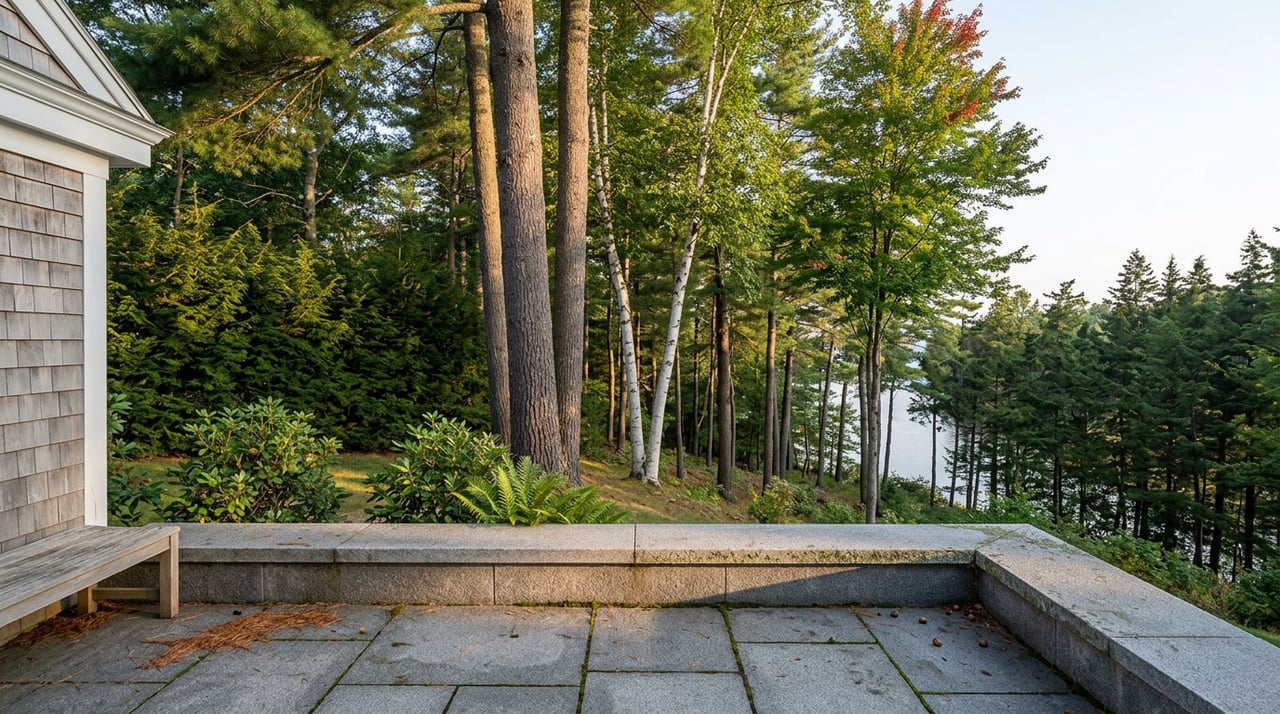
Outside Alton Bay, the shoreline takes on a more dispersed pattern. Town planning materials describe West Alton as a traditional lakeside tourist area with a campground, small cottages, roadside businesses, scenic views, stonewalls, and marinas.
The east shore is described differently, with former camp land that was later subdivided for residential use. Together, these descriptions suggest a shoreline that is less concentrated than the Bay and more shaped by roads, older lot patterns, and separate pockets of homes.
A more spread-out lake setting
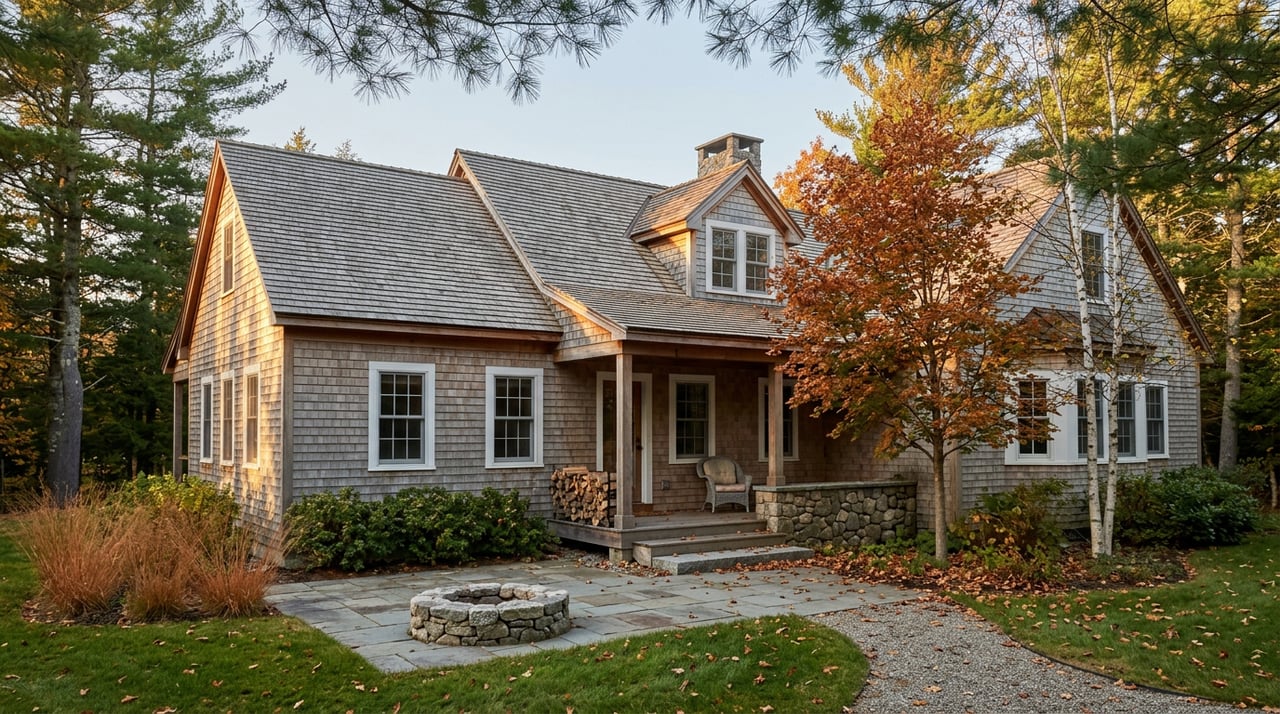
If you prefer a setting that feels less centered on public waterfront activity, the outer shoreline may be more appealing. Based on the town’s descriptions, this area often suits buyers who want a more residential or cottage-neighborhood feel.
It is also less about walking from one public feature to the next. In many cases, daily movement is more road-oriented, which can influence how you use the property from season to season.
Walkability versus privacy
One of the biggest lifestyle questions is how you want to spend your time at the lake. Do you want easy access to docks, beach areas, and village activity, or do you want a setting that feels more separate from those public spaces?
Alton Bay usually fits buyers who want the shortest path to boardwalk activity, public docks, and central waterfront amenities. The outer shoreline often fits buyers who place more value on a quieter residential pattern and less concentration of public use.
Questions to ask yourself
Before you focus on any single listing, it helps to think about how you want the location to function.
- Do you want to walk to waterfront activity?
- Do you prefer a village setting or a more spread-out shoreline setting?
- Are you comfortable with more seasonal traffic and parking pressure nearby?
- Do you want a property that feels tied to the public rhythm of the Bay, or more separate from it?
Homes and lots can differ
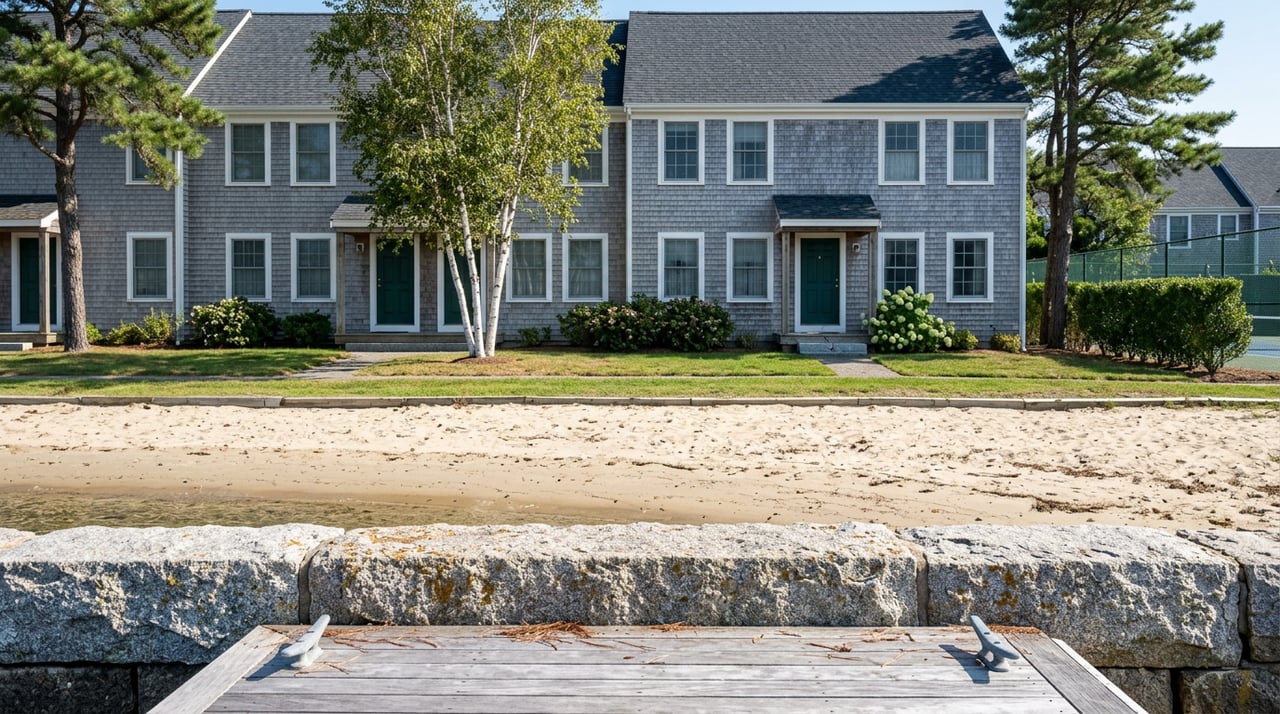
Alton Bay is relatively dense for a lake village. The town’s master plan says many homes there are seasonal, sit on substandard lots, and are constrained by the waterfront, steep slopes, and the lack of municipal sewer.
That combination can shape both the feel of a property and the due diligence that comes with it. A smaller lot, older layout, or site constraints may be part of the tradeoff for being close to the Bay’s central amenities.
Outer shoreline property patterns
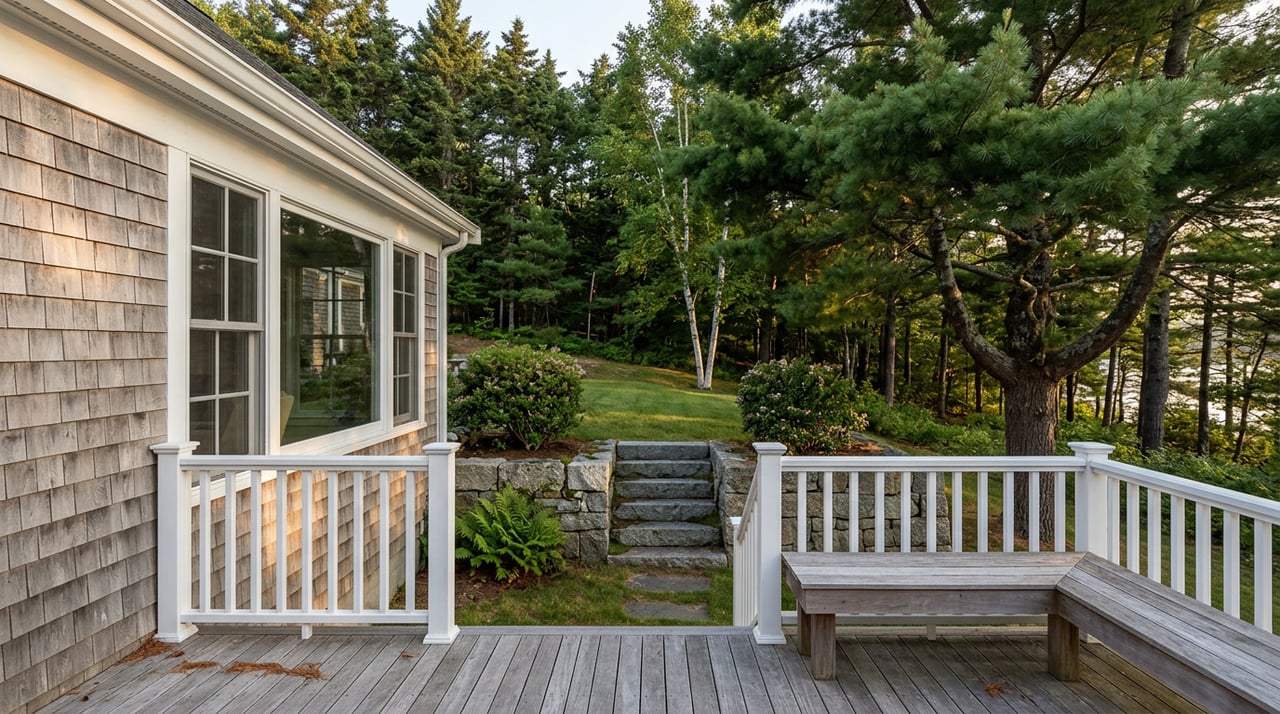
Along the broader shoreline, many homes also began as summer cottages. The town notes that shoreline homes were often later winterized or enlarged for year-round use.
This means buyers in either area may encounter older homes with evolving systems, additions, or changing use over time. The outer shoreline is not automatically newer or simpler, but it may offer a different mix of lot sizes, spacing, and neighborhood character than the Bay village core.
Why zoning and conformity matter
Current Lakeshore Residential zoning requires a minimum lot area of 30,000 square feet, one single-family dwelling per lot, and frontage standards that vary by lot age. That helps explain why some shoreline parcels are older, undersized, or otherwise nonconforming under current rules.
For you as a buyer, this is not just a technical detail. It can affect renovation plans, expansion potential, and how a property functions over time, especially if you are considering updates to an older cottage or seasonal home.
Older properties need closer review
In both Alton Bay and the outer shoreline, many lots were created long before current zoning standards were in place. That does not make them bad opportunities, but it does mean they deserve careful review.
If you are comparing addresses, it is wise to look beyond the view and ask how the lot fits current standards, what constraints may apply, and whether the home’s current use matches your goals.
Seasonal versus year-round use
One of the most important practical questions in Alton is whether a property was built for seasonal use or has been adapted for year-round living. The town specifically notes that many shoreline homes started as summer cottages and were later winterized or enlarged.
That history can affect comfort, maintenance expectations, and future upgrades. If you plan to use the home beyond the summer months, you will want a clear understanding of how it has been improved over time.
Septic and site limits
The town also notes increased shoreline septic loading as seasonal properties become larger and more permanent. In areas without municipal sewer, that makes septic review especially important.
This matters in Alton Bay, where the master plan points to the lack of municipal sewer, and it matters along the broader shoreline as well. A home’s location, lot size, and history of expansion can all shape what is practical.
Which address fits your goals
If your priority is being close to the docks, beach, boardwalk, and village activity, Alton Bay often stands out. It tends to fit buyers who want a more central lakefront setting and who enjoy having public waterfront features nearby.
If your priority is a more dispersed shoreline setting with less concentration of public activity, the outer shoreline may be the better fit. That can appeal to buyers who want a more residential or cottage-neighborhood feel.
A simple side-by-side view
| Factor | Alton Bay | Outer Shoreline |
|---|---|---|
| Overall setting | Waterfront village hub | More dispersed lakeshore setting |
| Public amenities | Strong cluster of docks, beach, boardwalk, and community spaces | More spread out, with marinas, cottages, and residential shoreline areas |
| Walkability | Generally the more walkable option | More road-oriented |
| Activity level | More central public activity | Less concentrated public activity |
| Property pattern | Denser village lots, many seasonal homes, site constraints | Mix of cottages and residential shoreline homes, often shaped by older development patterns |
How to compare specific listings
Once you narrow down your preferred setting, the next step is to compare each home through a practical lens. In Alton, the right address is not only about scenery. It is also about how the property works for the way you plan to use it.
Start with a few key due-diligence questions the town’s planning context makes especially relevant.
- Is the home seasonal, winterized, or fully suited for year-round use?
- Does the property rely on septic, and what does that mean for current use?
- Is the lot conforming under current zoning, or is it older and nonconforming?
- How might peak-season boating activity or parking affect everyday enjoyment?
Choosing between Alton Bay and the outer shoreline is really about matching the setting to your version of lake life. When you understand how each area functions, you can evaluate listings with more confidence and fewer surprises.
If you want help comparing waterfront opportunities in Alton with a clear, local perspective, Meredith Connor can help you weigh the lifestyle details, property constraints, and market nuances that matter most.
FAQs
What is the difference between Alton Bay and the outer shoreline in Alton?
- Alton Bay is the town’s concentrated waterfront village and recreation hub, while the outer shoreline refers to lakeshore areas outside the Bay village core that are more dispersed and residential in pattern.
Is Alton Bay more walkable than the rest of Alton’s shoreline?
- Based on the town’s descriptions of clustered docks, beach areas, boardwalk space, and community uses, Alton Bay is generally the more walkable option.
What kind of homes are common in Alton Bay?
- The town says many Alton Bay homes are seasonal, on substandard lots, and shaped by constraints like steep slopes, waterfront conditions, and the lack of municipal sewer.
What kind of homes are common on Alton’s outer shoreline?
- The town notes that many shoreline homes began as summer cottages and were later winterized or enlarged for year-round use.
What due diligence matters when buying shoreline property in Alton?
- Key questions include whether the home is seasonal or year-round, whether it relies on septic, whether the lot conforms to current zoning, and how peak-season boating or parking may affect daily use.
What is the minimum lot size in Alton’s Lakeshore Residential zone?
- Current Lakeshore Residential zoning requires a minimum lot area of 30,000 square feet, with one single-family dwelling per lot and frontage standards that vary by lot age.