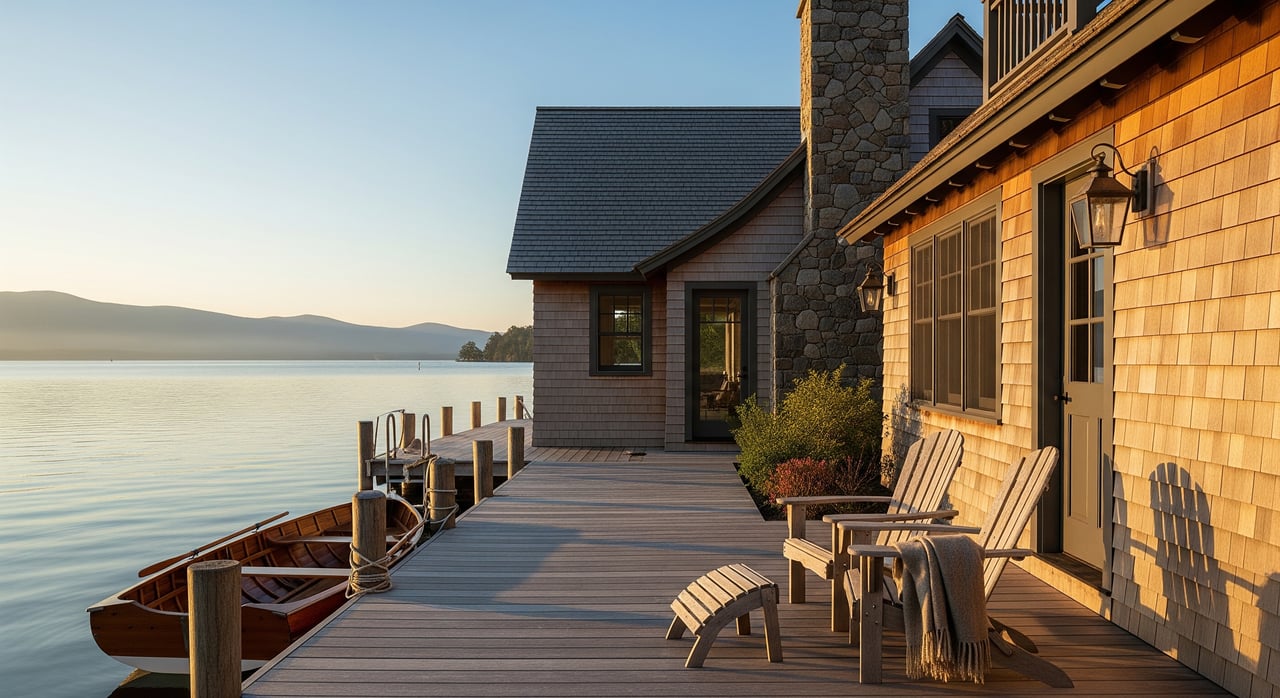
Thinking about a home in Meredith but unsure what day-to-day lake life really feels like? You hear about summer on Lake Winnipesaukee, the quiet winters, and the charm of Main Street, but it is hard to picture the rhythm until you experience it. You want the fun, the views, and the convenience without surprises. This guide walks you through real-life seasons, neighborhoods, logistics, lake rules, and a smart checklist so you can choose with confidence. Let’s dive in.
What lake life feels like by season
Summer
Summer brings energy. Boats crisscross the water, restaurants stay open later, and you will see more visitors near the harbor and along Main Street. Expect more traffic and tighter parking around downtown, especially on sunny weekends. Contractors and delivery services run at full tilt, which can mean longer lead times and higher peak-season rates.
On the water, plan ahead for dock space and boat storage. Marina slip lists can be long, and private docks require ongoing care. In some neighborhoods near the harbor, you may notice more lake noise and frequent short-term rental turnover. For many, the trade-off is worth it: mornings on the dock, evening cruises, and a steady stream of outdoor events.
Shoulder seasons
Spring and fall are local favorites. The pace eases, prices for charters and lodging often drop, and trails and waterways are less crowded. You get crisp air for hiking, paddling, and fishing, plus the spectacle of fall color.
Daily life feels more relaxed, although some businesses scale back hours. These are also “project seasons.” Spring brings boat launch prep and shoreline cleanup, while fall is the time to winterize boats and systems and handle leaf and yard work.
Winter
Winter is quieter and beautiful in a different way. When conditions allow, you will see ice fishing shacks, snowmobiles on groomed trails, and cross-country ski tracks. Year-round restaurants and shops continue to serve locals, and the community settles into a steady routine.
For lakeside homes, winter maintenance is essential. Steep or long driveways need plowing and sanding, and you may remove docks or use reinforced designs to handle ice. Ice thickness varies year to year, so locals rely on official advisories before going out.
Where you might live in Meredith
Lakefront living
If you want water at your doorstep, lakefront delivers dawn views, quick swims, and easy boat access. You also gain strong seasonal rental potential if that is part of your plan. Day to day, you will manage docks, boathouse gear, and shoreline care.
Many waterfront homes rely on private wells and septic systems, which means you will want solid maintenance records and permit history. Insurance can be higher due to wind, storm, or flood exposure, and property changes near the shore often require approvals. Summer can be lively near the harbor, while winters are peaceful and private.
In-town village
In-town living gives you walkable access to restaurants, shops, the post office, and community events. Municipal water and sewer are more common in the village, and snow removal and road care are typically more robust. Daily errands are simple, and you can often leave the car at home.
Lots are smaller, and some homes are older, which adds character and the potential for updates. In peak months, parking can be tight and foot traffic increases during the day. If you want convenience and connection to local life, this is a great fit.
Country and rural
Outside the village and away from shorelines, you will find larger lots, forested acreage, and quiet year-round settings. This is the place for privacy and room to spread out. Many properties still rely on well and septic, with longer drive times to downtown and boat launches.
Utility setup can be more involved, and driveway care in winter is your responsibility. Purchase prices per acre can be more favorable, balanced by the cost to establish or upgrade services for modern living.
Daily logistics you will use
Utilities and connectivity
Village addresses are more likely to have municipal water or sewer. Many lakefront and rural homes use private wells and septic systems, so you will want to review permits, maintenance logs, and recent inspections. Heating fuel varies by property, including oil, propane, electric heat pumps, or a mix. Winter energy costs can be a meaningful budget line.
Internet and cellular coverage are not uniform. Some rural and waterfront pockets have limited wired broadband. Always confirm provider availability and speeds by address before you commit, and ask about backup options if you work remotely.
Healthcare and emergency services
Meredith is served by regional healthcare systems in the Lakes Region, with hospitals and urgent care in neighboring towns. Police, fire, and EMS operate on a town and regional basis. Response times can vary by season and exact location, especially for rural addresses or during storms.
Groceries and errands
Downtown Meredith handles daily needs with year-round restaurants and small shops. For big-box shopping or specialty items, many residents plan periodic trips to nearby hubs. If you like to stock up, you will likely make a once-a-week list and combine errands with appointments.
Getting around and commute
Most daily commutes are regional. Longer drives to larger cities are possible but require planning around weather and traffic. The nearest regional and major airports are within a roughly one to two hour drive depending on route and conditions. If you commute seasonally, test the drive at the time of day you expect to travel.
Lake rules and environmental basics
Boating and safety
New Hampshire boating laws apply on Lake Winnipesaukee, including speed and wake zones, licensing requirements, and equipment rules. Personal watercraft have specific regulations. Expect enforcement by state marine patrol and local authorities, especially in busy summer corridors.
Shoreland protections and septic
New Hampshire’s shoreland protection program governs what you can build, remove, or modify near the water. Project plans often need permits and must observe setbacks. Septic systems are regulated, and replacement or expansion requires approvals. Before you budget for a dock, deck, or addition, verify the rules and the property’s permit history.
Short-term rental expectations
Some New Hampshire towns set rules for short-term rentals that can touch noise, parking, occupancy, or registration. If rentals are part of your plan, confirm Meredith’s current policies and any condo or neighborhood association rules that also apply.
Water quality and flood risk
Like many New England lakes, water quality is monitored and can be affected by weather, runoff, and seasonal conditions. Harmful algal blooms can occur, and advisories are issued as needed. Flood exposure varies parcel by parcel, and some shoreline or lowland areas may fall inside FEMA flood zones. Flood insurance is separate from homeowners coverage and may be required by a lender.
Annual maintenance cycle
- Spring: inspect after thaw, check septic, launch boats, repair driveways, and clean shoreline.
- Summer: maintain docks and boats, manage landscaping, and address minor repairs.
- Fall: winterize boats and systems, clear leaves, and remove docks if needed.
- Winter: handle snow and ice, monitor shoreline structures, and track heating fuel.
What ownership really costs
Taxes and assessments
New Hampshire has no broad-based income tax and no general sales tax. Property taxes cover a larger share of local budgets, so the town tax rate and your assessment drive carrying costs. Always review the current tax rate, recent assessments, and any reassessment timelines as part of your financial planning.
Insurance and risk
Waterfront homes often carry higher premiums because of wind, storm, and ice exposure. If a parcel lies in a mapped flood zone, flood insurance may be required by your lender and is a separate policy. Review historical claims, elevation, and mitigation steps to sharpen your estimate.
Ongoing maintenance
Owning near the water means recurring tasks. Budget for dock care, shoreline stabilization, periodic septic pumping, and seasonal winterization. If you plan to keep a boat, add slip or mooring fees, storage, and maintenance. In peak season, contractor rates and schedules tighten, so booking early helps control costs.
Smart buyer checklist for Meredith
- Confirm your utility profile. Verify whether the address is on municipal water and sewer or private well and septic, and gather permits and maintenance records.
- Run an internet check. Confirm provider availability and speeds for the exact address, and explore alternatives if speeds are limited.
- Review shoreland and dock rules. Ask for documentation of dock or boathouse permits and understand what is allowed for new work.
- Check flood exposure. Look up FEMA flood maps for the parcel and discuss flood insurance requirements with your lender and insurer.
- Research water quality. Review recent water-quality reports and any harmful algal bloom advisories for the area.
- Understand short-term rental rules. Confirm town ordinances and any association policies if you plan to rent seasonally.
- Plan healthcare logistics. Map the nearest hospital and urgent care and estimate drive times from the property.
- Verify taxes and assessments. Review the current town tax rate, the property’s assessment, and any exemptions you plan to claim.
- Compare recent sales. Look at comparable sales and seasonal pricing patterns to understand the micro-market for your target neighborhood.
- Ask for seller records. Request septic pumping logs, dock or shoreline permits, winterization history, and any insurance claim summaries.
How Meredith helps you decide
Lakefront decisions hinge on details that are easy to miss. Shoreline type, dock status, utility setup, winter access, and local rules can shift both your enjoyment and your budget. You deserve an advisor who understands the micro-markets around Lake Winnipesaukee and can translate lifestyle goals into the right address.
With concierge-level service and deep local knowledge, you get a calm process and clear guidance from first tour to closing. Whether you want a turnkey waterfront retreat, an in-town landing pad, or a private country property, you will have a confident plan for the seasons ahead. When you are ready to explore, connect with Meredith Connor for neighborhood insights, careful negotiation, and a lake-life strategy that fits your vision.
FAQs
How busy does downtown Meredith get in summer?
- Expect more traffic, tighter parking, and longer wait times near the harbor and Main Street during peak weekends and nice-weather days, with extended hours at many shops and restaurants.
Do I need a boat to enjoy Lake Winnipesaukee in Meredith?
- No. Many residents enjoy the lake through public access points, scenic walks, dining with water views, and seasonal events, while boating adds options if you want to invest in a dock or slip.
Are municipal water and sewer common at waterfront homes in Meredith?
- They are more common in-town. Many lakefront and rural properties rely on private wells and septic systems, so you should confirm permits, maintenance history, and recent inspections.
What does winter living require for a lakeside home?
- Plan for routine snow and ice management, reliable heating fuel, safe driveway access, and seasonal dock strategies, plus caution around variable ice conditions when recreating on the lake.
Is internet reliable at rural or waterfront addresses around Meredith?
- Coverage varies by pocket. Verify providers and speeds for the exact address and consider backup options if you work from home or need consistent bandwidth.
Are short-term rentals allowed in Meredith?
- Policies can change. Confirm current town rules and any condo or neighborhood association restrictions on occupancy, parking, and registration before you count on rental income.
Do I need flood insurance for a lake property in Meredith?
- It depends on the parcel. If the property lies in a FEMA-designated flood zone, a lender may require a separate flood policy, and premiums vary by risk factors and mitigation.
How can I check water quality or harmful algal bloom history?
- Review recent reports and advisories from state environmental agencies and local lake associations, and ask sellers for any relevant tests or documentation for the property.