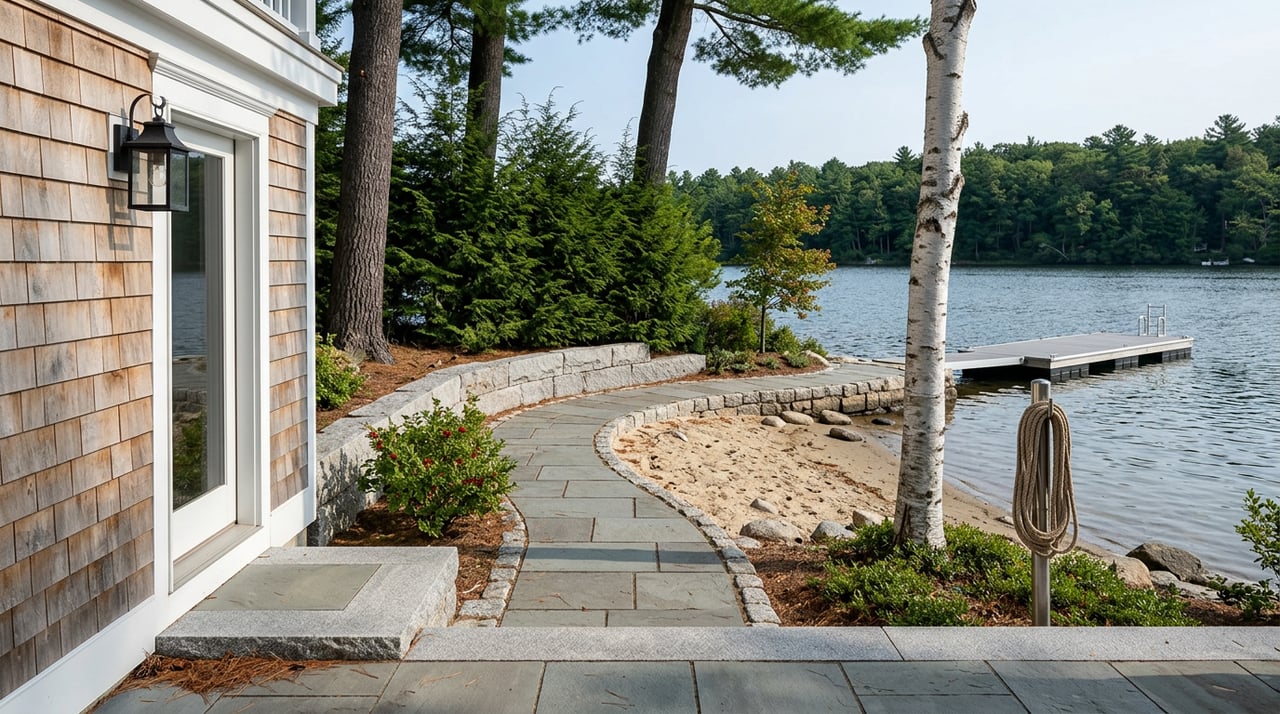
If you picture tying up your boat at your condo after a day on Lake Winnipesaukee, you are not alone. In Samoset, though, “lake access” does not automatically mean a privately owned slip. You get a resort-style setting with beaches, pools, courts, and association-managed docks and moorings. In this guide, you’ll learn what lake access really includes, how docking and mooring work, what renters can and cannot do, and the exact items to verify before you write an offer. Let’s dive in.
What lake access includes at Samoset
Samoset is a lakeside condominium community in Gilford’s 03249 zip code with private sandy beach areas, waterfront patios, a clubhouse, two in-ground pools, tennis and pickleball courts, and space for small craft like kayaks and canoes. It offers community docks for loading and unloading, plus a congregate mooring field.
Listings often repeat counts of about 26 day or docking slips and about 42 moorings. Treat those figures as approximate, not guaranteed. Because the association manages dock and mooring use, availability changes. Always confirm current counts and availability with the HOA in writing.
Importantly, “dock access” in a listing description usually refers to shared facilities run by the association. It does not mean a unit includes a deeded slip unless the recorded condo documents say so and the HOA confirms it.
Docks vs. moorings at Samoset
How assignments work
Samoset’s docks and moorings are typically managed by the association as common elements. Owners access them by following HOA rules, registration, and any waitlist or rotation systems that may be in place. In many Lakes Region communities, demand for summer water access leads to waitlists. Local reporting explains that waitlists and rotation policies are common for neighborhood mooring fields, so you should expect to ask about timing and assignment rules. See the Laconia Daily Sun’s overview of a nearby community for local context on demand and waitlists, then confirm the specifics with Samoset’s HOA.
- Tip: Ask the HOA for a dated, signed letter that spells out whether your unit has any assigned rights, how assignments are made, and the current waitlist status. Do not rely on verbal assurances.
Boat size and usage
Multiple listings and neighborhood writeups commonly note a community boat length limit, often stated around 27 feet. Treat this as a rule of thumb only. Confirm the exact maximum the HOA allows and whether measurements include outboards or swim platforms. If your vessel is close to the limit, get clarity in writing.
Moorings are used for regular storage on the water. Owners reach their assigned mooring by dinghy or tender, then use the day dock only to load and unload. Plan for tender storage and a simple shuttle routine during boating season.
Day dock etiquette and limits
Many rental hosts and unit guides state that the community dock is for short-term loading and unloading only. Some host instructions cite time limits, such as a 30‑minute maximum, for the drop-off dock. Because renters and guests are often restricted from docking or mooring boats on site, confirm the current written rules, time limits, and fines before you count on dock time. Hosts also warn that renters are responsible for any HOA fines tied to unauthorized docking. Review an example of rental host guidance about drop-off use and renter limits on VRBO, then get the official HOA policy in writing for your file.
State rules every buyer should know
Lake Winnipesaukee moorings are governed by New Hampshire’s state mooring program. Under New Hampshire’s mooring-permit rules (RSA 270):
- Every mooring on Winnipesaukee needs a state permit and an annual decal.
- Congregate mooring fields, such as those operated by associations, must be permitted under the statute.
- Mooring permits are administrative privileges, not real property rights, and they are not treated as deeded interests.
- The Marine Patrol enforces decals and can remove noncompliant moorings.
For Samoset, that means the association’s mooring field should have Marine Patrol permit numbers and a record of decals. Ask for copies of the permit(s) that cover the Samoset field and review the decal history. This is the most reliable way to confirm how many moorings are actually permitted on site and who holds them.
Renting your unit and guest use
If you plan to rent your condo, build your numbers around the actual rules for renters and guests. Rental hosts at Samoset commonly state that renters may not dock or moor boats on site, and that the drop-off dock is for short loading and unloading only. Hosts also emphasize that renters are responsible for any HOA fines. Review an example of host instructions on VRBO regarding renter docking limits and the drop-off dock, then request the latest HOA rental and guest policy directly from the association.
Also ask for:
- Parking rules, including how many spaces you receive and whether there is guest or overflow parking.
- The HOA’s insurance declarations for common elements, including docks and watercraft liability requirements. RSA 270 preserves owner responsibility for compliance and liability at moorings, so confirm any insurance obligations the association places on boat owners.
Seasonality and storage
Winnipesaukee is a four-season lake environment. Ice and winter conditions mean moorings are seasonal in practice. Many owners haul their boats for winter, use marina storage, or store trailers off site. Regional coverage has even noted early mooring seasons and enforcement of decal rules when spring arrives. See WMUR’s reporting on mooring season timing and enforcement for context.
If a mooring will not be available during your first season, plan your launch and storage logistics now. Gilford taxpayers and residents can review the Town’s Glendale Docks program page for town-operated access details, permits, and rules. That can complement your Samoset access plan, especially early in ownership.
Smart due diligence before you offer
Because docks and moorings are association-run and mooring permits are state-regulated, your offer should include document review and written confirmations. Request these items up front or make them a contingency:
- Recorded condominium Declaration or Master Deed and all amendments. Confirm whether docks and moorings are common elements and whether any slips are deeded. Use the Belknap County Register of Deeds portal to verify what is recorded for 2696 Lake Shore Rd.
- Current Bylaws and Rules and Regulations. Focus on sections covering docks, moorings, boat length limits, sticker or registration systems, fees, kayak rack policies, and rental or guest rules.
- Current year HOA budget, reserve study or reserve balance, and 12 to 24 months of meeting minutes that mention dock or harbor maintenance, repair plans, or capital projects.
- A signed HOA or manager letter (often called an estoppel or status letter) that states: (a) whether the unit has any assigned dock or mooring rights today, (b) whether a waitlist exists and your expected position or timing, (c) current registration or sticker fees and rules, and (d) any pending assessments or legal actions related to docks or moorings.
- Copies of the Marine Patrol mooring permit(s) and site plan that cover Samoset’s congregate mooring field. Use those permit numbers to confirm decals under RSA 270’s Moorings Program.
- The HOA’s insurance declarations for common elements, including any watercraft liability requirements for owners who use moorings.
- The written rental policy, including whether nightly or weekly rentals are allowed and exactly what privileges renters and guests have on the water.
- Parking rules and any visitor-pass procedures or gate access rules.
If your price or timing depends on a slip or mooring, add a contract contingency that requires the seller to deliver HOA-issued written proof of assignment or written proof of priority on the waitlist before closing. Keep it simple: get it in writing or keep your options open.
Also watch for policy changes at the state level. Bills have been proposed that could alter fees or program funding. You can track examples like HB1301 (2026) on LegiScan and confirm current fees with the Marine Patrol before you finalize costs.
How Samoset compares locally
Samoset offers a strong amenity package with beaches, pools, courts, and association-managed docks and moorings. It is ideal if you want a resort-style condo experience with access to the lake rather than a privately owned slip. Nearby water-access neighborhoods, such as Gunstock Acres, also use congregate mooring fields and often manage demand with waitlists and rotation policies. Local coverage of those communities highlights the same tradeoffs you will weigh at Samoset: communal access versus deeded slips, boat size limits, location on the lake, and rental rules.
If a deeded slip is nonnegotiable for you, expect to expand your search and budget accordingly. Properties with private, deeded docking often carry a premium across the Lakes Region.
Bottom line
At Samoset, “lake access” means shared amenities with an association-managed dock and mooring system that runs under state rules. Do not assume “water access” equals a deeded slip, and do not rely on listing shorthand. Confirm the HOA’s current policies in writing, review the Marine Patrol mooring permits, and add the right contingencies to protect your goals. With the right plan, you can enjoy Samoset’s beaches and pools this season while you secure the lake access that fits how you boat.
If you want clear answers before you offer, reach out. As a Lakes Region specialist, Meredith Connor will help you verify HOA rules, decode state mooring permits, and structure a confident offer.
FAQs
What does “lake access” mean at Samoset in Gilford, NH?
- It typically includes private sandy beaches, pools, clubhouse, courts, kayak storage, and association-managed docks and a congregate mooring field that owners use under HOA rules.
How are docks and moorings assigned at Samoset?
- The association manages access and may use registrations, stickers, and waitlists rather than deeded or permanently assigned slips, so you should request a signed HOA letter outlining today’s availability and rules.
Can short-term renters dock or moor a boat at Samoset?
- Rental hosts often state renters cannot dock or moor on site and may only use a short-term drop-off dock, so confirm the current written renter rules and any fines with the HOA and review host guidance on VRBO for context.
How do New Hampshire mooring permits affect Samoset owners?
- Under RSA 270, moorings require state permits and annual decals and are not property rights, so you should verify the association’s permit numbers, decal history, and compliance before relying on a mooring.
What documents should I request before making an offer in Samoset?
- Ask for recorded condo documents, current rules, budgets and minutes, a signed HOA letter confirming any dock or mooring rights and waitlist status, Marine Patrol mooring permits, insurance declarations, rental rules, and parking policies.